RISK MANAGEMENT & HAZOP
RISKS MINIMISED FROM PROJECT COMMENCEMENT
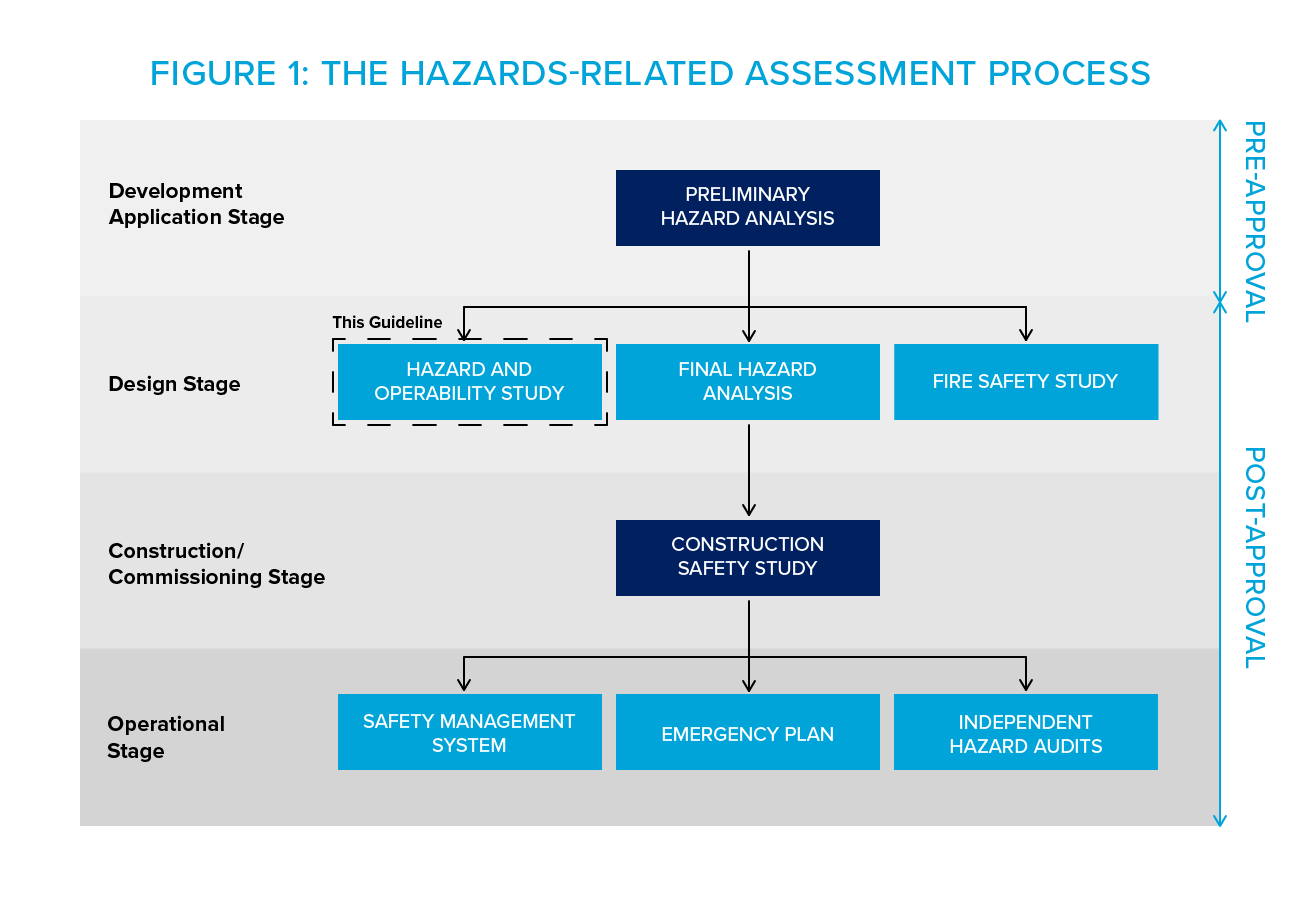
A form of hazard identification, Hazard and Operability Studies (HAZOPs) identify potential operational issues and hazards in a project design. A HAZOP is undertaken prior to the commencement of construction. It is used to identify and evaluate problems that may represent risks to personnel and the environment, considering both facility construction and operation phases.
It’s crucial to be proactive in identifying and evaluation complex hazards at facilities to ensure safety and environmental issues are addressed before final design, procurement and construction commences.
At the completion of the HAZOP, we produce a detailed report outlining recommendations for any necessary modifications.


RANGE OF SERVICES OFFERED
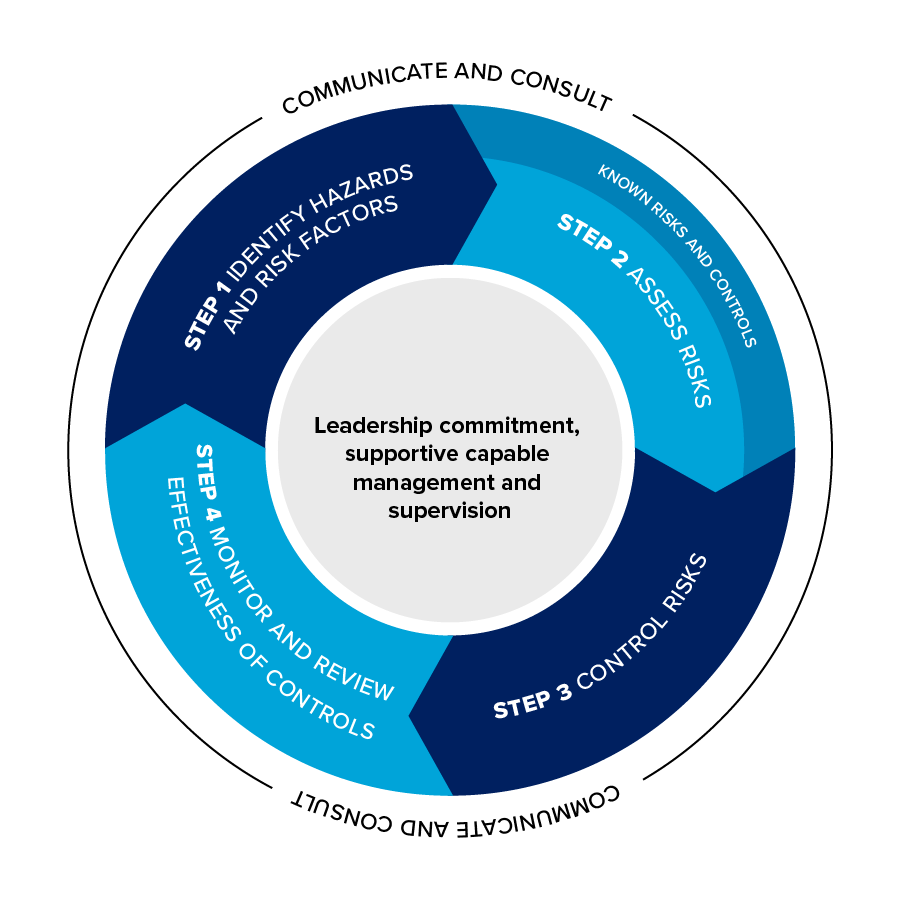
RISK ASSESSMENT AND MANAGEMENT
Both Quantitative and Qualitative Risk Assessments help to better prioritise and manage risk and maximise time and resource efficiency. By understanding the risk profile, a project team will be able to enact an appropriate risk mitigation strategy – avoidance, acceptance, reduction, or transference.
QUANTITATIVE RISK ASSESSMENT
Our Quantitative Risk Assessments analyses historical or current data to provide numerical (often financial) insights into the risk management process. It enables predictions to be made around potential future outcomes and informs the process by detailing strategies to address any identified risks.
Quantitative assessments are particularly useful for large projects requiring a complex risk management process.
Our team has extensive hands-on experience across diverse, complex multi-disciplinary projects. For our Qualitative Risk Assessments, we draw upon this experience, along with Stakeholder interviews and workshops to determine the probability of a threat and the potential impact on a project or organisation.
We produce a qualitative Risk Assessment Matrix (RAM), which clearly outlines the nature of potential threats, resultant possible impacts and outlines mitigation strategies.
QUALITITATIVE RISK ASSESSMENT